The Radiation’s ‘The Elephant in the Room’ Nominated for Best AI Musical Theatre Song at the 2026 SIQA AI Music Awards
Article Summary
The Radiation’s The Elephant in the Room has been nominated for Best AI Musical Theatre Song at the inaugural SIQA AI Music Awards, taking place in Los Angeles on 13th November 2026.
An Elephant Heads to Hollywood
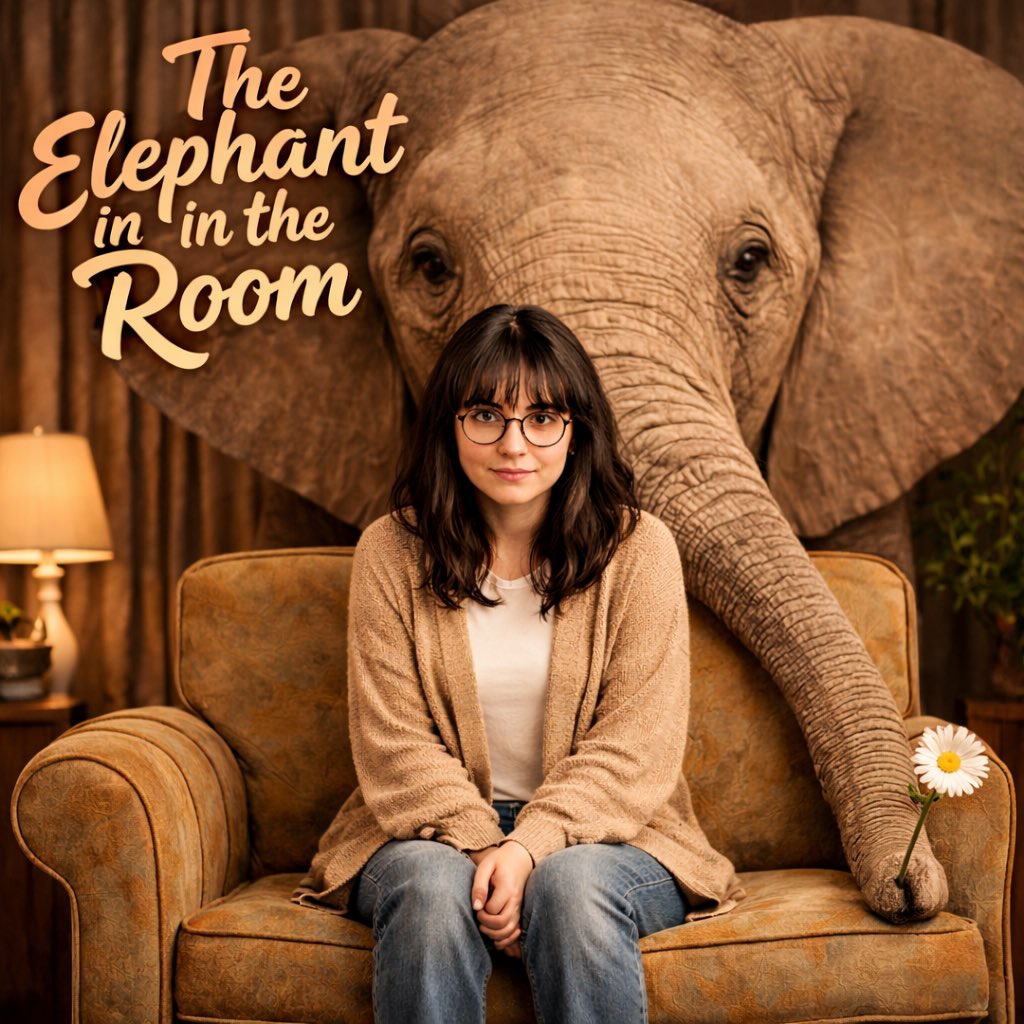
I’m delighted to report that The Elephant in the Room, a song from my AI-assisted music project The Radiation, has been nominated for Best AI Musical Theatre Song at the first-ever SIQA AI Music Awards, taking place in Los Angeles on Friday 13th November 2026.
You can listen to the song here:
It’s rather pleasing to think that an elephant has made it all the way from my studio in Barnet (UK) to Hollywood. Particularly as the song is competing against some excellent work from other creators around the world.
The awards are organised by SIQA (The Sonic Intelligence Academy), an organisation I’ve written about previously on this blog, and one which I believe is doing important work in establishing recognition, transparency and professional standards for AI-assisted music.
And having become involved with the awards, that view has only strengthened.
What Are the SIQA AI Music Awards?
The inaugural AI Music Awards, also known as the AIMAs, will be held at The Mayan, a historic venue in Downtown Los Angeles, on Friday 13th November 2026.
The awards form part of a two-day event which begins on Thursday 12th November with the SIQA Summit, bringing together AI music creators, producers, technology developers and representatives from the music industry.
The summit will feature discussions about AI music, demonstrations of music technology, networking opportunities and an initial awards presentation.
The main ceremony on Friday will feature a red carpet, live performances combining human musicians and AI-assisted music, and an international livestream.
There are 25 main award categories, covering everything from AI Song of the Year and AI Producer of the Year to individual musical genres.
These include pop, rock, R&B, country, jazz, gospel, hip-hop, international music, comedy and, of course, musical theatre.
There are also awards recognising different ways that AI is used in music production, including Best AI-Assisted Song and Best Human+AI Hybrid Song.
The winners are chosen by verified artists registered with SIQA, rather than through anonymous public voting.
For me, that’s a particularly welcome approach. It gives creators the opportunity to have their work considered by other people who understand something about the processes involved in making music with AI.
You can find full details at the official SIQA AI Music Awards website.
The Elephant in the Room: Best AI Musical Theatre Song
The Elephant in the Room is one of five songs nominated in the Best AI Musical Theatre Song category.
The other nominees are:
- I Am the Ocean (Phantom) by MemoryUs
- The Colors Use To Be Louder by Adam Nelson
- The Night Of The Furies by Crompy
- light as A-I-R by MaxVerse
It’s great to be included alongside them.
As anyone familiar with my previous work will know, musical storytelling has always been a particular interest of mine. And The Elephant in the Room is certainly one of my favourites with its simple story and little twist.
From writing songs and music for Rockford’s Rock Opera to my more recent work with The Radiation, I’ve always enjoyed creating songs that have characters, stories and something to say.
Musical theatre is a natural home for that .
Why I Support SIQA and Its Approach to AI Music
I’ve written before about SIQA and why I believe organisations like this are needed.
The debate about AI music is often rather unhelpful. Very different types of work are bundled together under the same label, without much consideration of how the music was actually created.
There are people producing music almost entirely through text prompts. There are others using AI to assist with arrangements, voices, instrumentation or production. And there are experienced songwriters and producers who bring their own compositions, recordings and creative experience into the process.
Those approaches are very different.
In my own work with The Radiation, I write the songs, melodies and lyrics, often creating demos using guitars and other instruments before using AI tools to help develop the finished productions.
I’m interested in what these tools can offer someone who has spent many years writing and producing music in more traditional ways.
This is why I believe the SIQA approach to verification and classification is so useful.
Creators can explain how AI has been involved in their work, rather than having every piece of AI-assisted music treated as though it was created in exactly the same way.
I don’t expect everyone to like AI music. Far from it. But I do think that people who are putting serious creative effort into their work deserve to be judged fairly.
A Growing International Community of AI Music Creators
Something I hadn’t entirely anticipated when becoming involved with the awards has been the sense of community.
The team behind SIQA has done an excellent job organising and running the awards. As a result, I’ve found myself in contact with some very talented creators from around the world.
It’s been fascinating comparing notes about the different ways people are working with AI in their songwriting and production.
Some creators are experimenting with genres and sounds that would be almost impossible to produce using their existing resources. Others are exploring new ways of working with vocals, songwriting, production or entirely new musical identities.
And many are approaching things in ways that are completely different from my own.
In fact, the vast majority of the music I’ve encountered through SIQA and the awards bears very little resemblance to what I do with The Radiation.
I think that’s a good thing.
It demonstrates the extraordinary range of people who are exploring AI as part of their creative process, and the many different ways that these technologies are being used.
We’ve all arrived at this point by different routes, with different experiences and different ideas about what we want to create.
Being able to discuss those approaches with other creators has been one of the most enjoyable aspects of taking part.
AI Music, Copyright and Responsible Creation
Of course, I remain very aware of the sensitivities surrounding AI music.
Anyone who has read my previous blogs will know that I’ve always recognised the legitimate concerns of musicians, songwriters, publishers and record companies.
The questions surrounding the music used to train AI models are real and deserve proper attention.
I support efforts to ensure that AI music tools are developed responsibly, that creators’ rights are respected and that the music industry can establish fair and workable arrangements around the use of copyrighted material.
I’ve worked in music for much of my professional life, and I understand why many musicians are concerned about what these technologies might mean for them.
I don’t think supporting responsible AI-assisted music requires anyone to dismiss those concerns.
In fact, I believe that transparency about how music is made, and clear distinctions between different types of AI involvement, can help make the discussion more constructive.
This is another reason why I welcome what SIQA is doing.
Why Should an AI Music Awards Ceremony Need Security?
One aspect of my conversations about the awards has been rather less encouraging, although not suprising.
While discussing the event, the subject of security came up as something that needed careful consideration.
Now, clearly, any awards ceremony bringing together a large number of people needs appropriate arrangements.
But it was rather sad to be reminded that an event celebrating people who are simply making music might also need to take account of the hostility that surrounds AI creation.
I understand that some people feel very strongly about AI music. As I’ve said, there are serious issues to be discussed, particularly around copyright, training material and the rights of existing musicians.
Those concerns deserve to be heard.
But there is something rather depressing about the idea that people gathering to celebrate their creative work might have to worry about security because of the technology they’ve used to make it.
We’re living in slightly strange times, as we all know.
And perhaps this is just one small example of that.
I hope the awards provide an opportunity for people to meet, enjoy the music and have sensible conversations about where these technologies might take us.
A Welcome Recognition for The Radiation
Whatever happens on 13th November, I’m very pleased that The Elephant in the Room has been nominated.
The Radiation has given me an opportunity to experiment with songwriting and production in ways that I wouldn’t necessarily have pursued otherwise.
And these awards have introduced me to an international community of creators whose work, ideas and experiences have been fascinating to discover.
I’m grateful to the SIQA team for the effort they’ve put into organising the inaugural AI Music Awards and for their broader work in supporting transparency, professional standards and recognition for AI music creators.
I hope these first awards are a success, and that they become a regular fixture in the music calendar.
Of course, I’d be delighted if The Elephant in the Room won its category.
But whether it does or not, it’s been great to be part of the first-ever AI Music Awards.
I wish all the other nominees the very best of luck.
And may the best elephant win.
Frequently Asked Questions About the 2026 AI Music Awards
1. What are the SIQA AI Music Awards?
The SIQA AI Music Awards, also known as the AIMAs, are an awards event recognising music created with the involvement of artificial intelligence. Organised by The Sonic Intelligence Academy, the inaugural 2026 awards feature 25 main categories covering songs, artists, producers, musical genres and different forms of human and AI collaboration. The awards aim to recognise creative work while encouraging transparency about how AI has been used.
2. When and where are the 2026 AI Music Awards?
The main AI Music Awards ceremony takes place on Friday 13 November 2026 at The Mayan, 1038 South Hill Street, Downtown Los Angeles, California. The event follows the SIQA Summit on Thursday 12 November, which features industry discussions, demonstrations and networking opportunities. The main awards ceremony is also scheduled to be livestreamed internationally.
3. Which award has The Radiation been nominated for?
The Radiation’s song The Elephant in the Room has been nominated for Best AI Musical Theatre Song. The category recognises music created with AI involvement in the musical theatre genre. The Radiation is one of five finalists, alongside songs by MemoryUs, Adam Nelson, Crompy and MaxVerse.
4. Who decides the winners of the SIQA AI Music Awards?
The main awards are decided by verified artists registered with SIQA. The organisation requires participants to register their work and disclose how AI was used in its creation. Verified artists can take part in the awards voting process, with rules preventing them from voting for their own entries. This gives participating creators a direct role in recognising the work of their peers.
5. What is the SIQA Verified Registry?
The SIQA Verified Registry is a platform designed to identify and classify music involving artificial intelligence. It distinguishes between AI-assisted music, human and AI hybrid work and fully AI-generated music. The system aims to provide greater clarity about how individual tracks have been created, helping listeners and music industry professionals understand the role of AI in the finished work.
6. How does The Radiation use AI in its music?
The Radiation is a songwriting and music production project created by British songwriter Matthew Sweetapple. Matthew writes original songs, melodies and lyrics, frequently producing demos using guitars and other instruments. He then uses AI-assisted production tools, including Suno, to develop finished recordings. AI is part of the production process, while Matthew provides the original songwriting and creative direction.
7. Why are AI music awards controversial?
AI music raises questions about copyright, the use of existing recordings to train AI systems, musicians’ rights and how audiences distinguish between human-created and AI-generated work. Some musicians are concerned about the impact of these technologies on their livelihoods. Supporters of responsible AI-assisted music argue that clear disclosure, appropriate licensing and fair recognition of human creative contributions can help address these concerns.
8. Where can I listen to The Radiation?
You can discover The Radiation’s original songs and read Matthew Sweetapple’s articles about songwriting, music production and artificial intelligence at TheRadiation.co.uk. The project explores how original human-written songs can be developed using AI-assisted production technology, with particular attention to melody, lyrics and musical storytelling.
About the Author: Matthew Sweetapple
Matthew Sweetapple is an award-winning British songwriter, composer, producer and creative agency founder. His work spans television, advertising, music production and musical storytelling.
He is one of the creators of Rockford’s Rock Opera, the award-winning series of ecological musical adventures created with Steve Punt and Elaine Sweetapple. The stories feature original songs, narration, characters and immersive sound production, all created without AI.
Matthew’s current music project, The Radiation, explores how original human-written songs, melodies and demos can be developed using AI-assisted production tools. Drawing on decades of experience in traditional music production, he writes regularly about songwriting, AI music, creativity and the responsibilities of those developing and using emerging music technologies.
Websites:
Leave a Reply